OHAAP Medical Mission Brings Healthcare and Hope to Young Boys in Pampanga
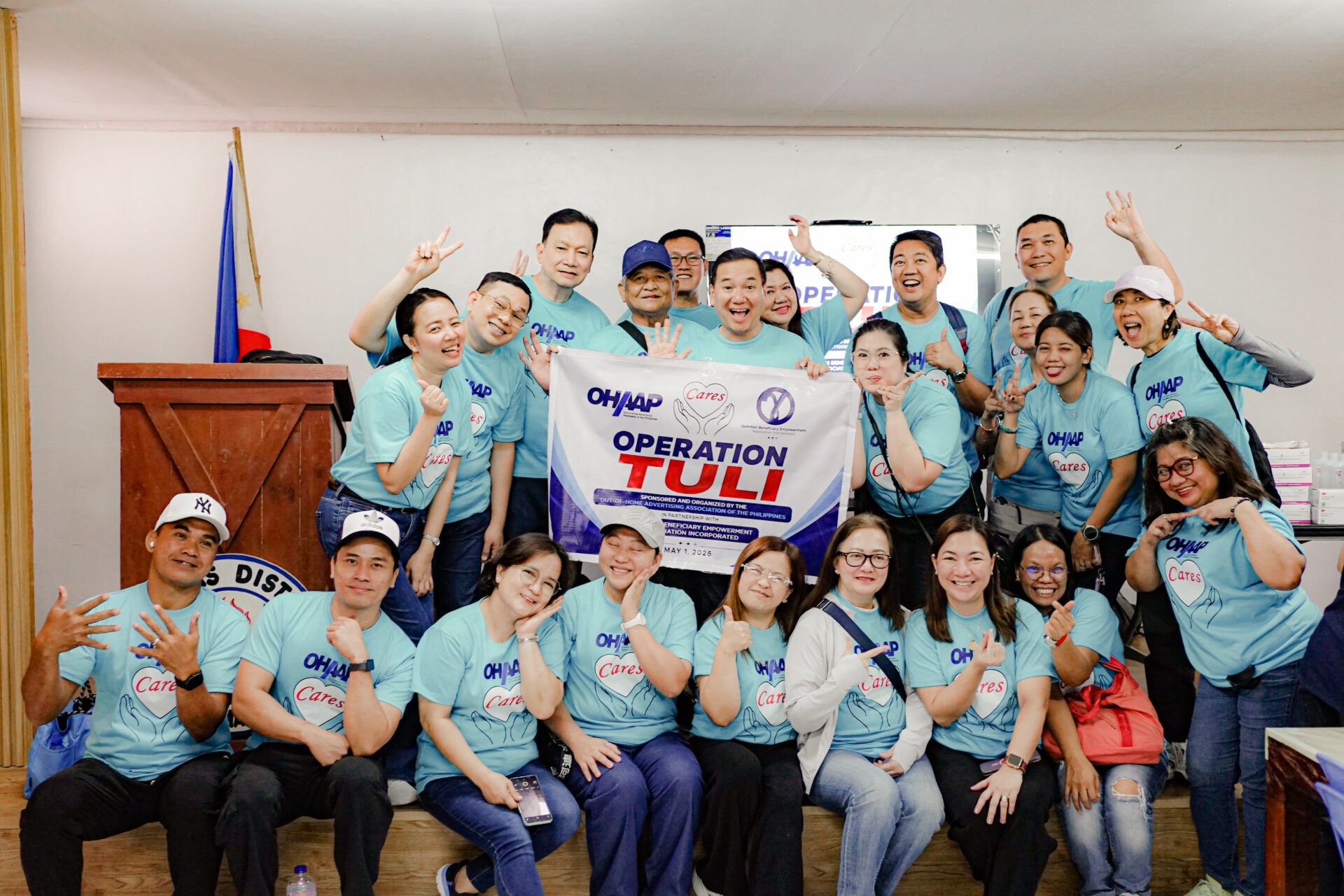
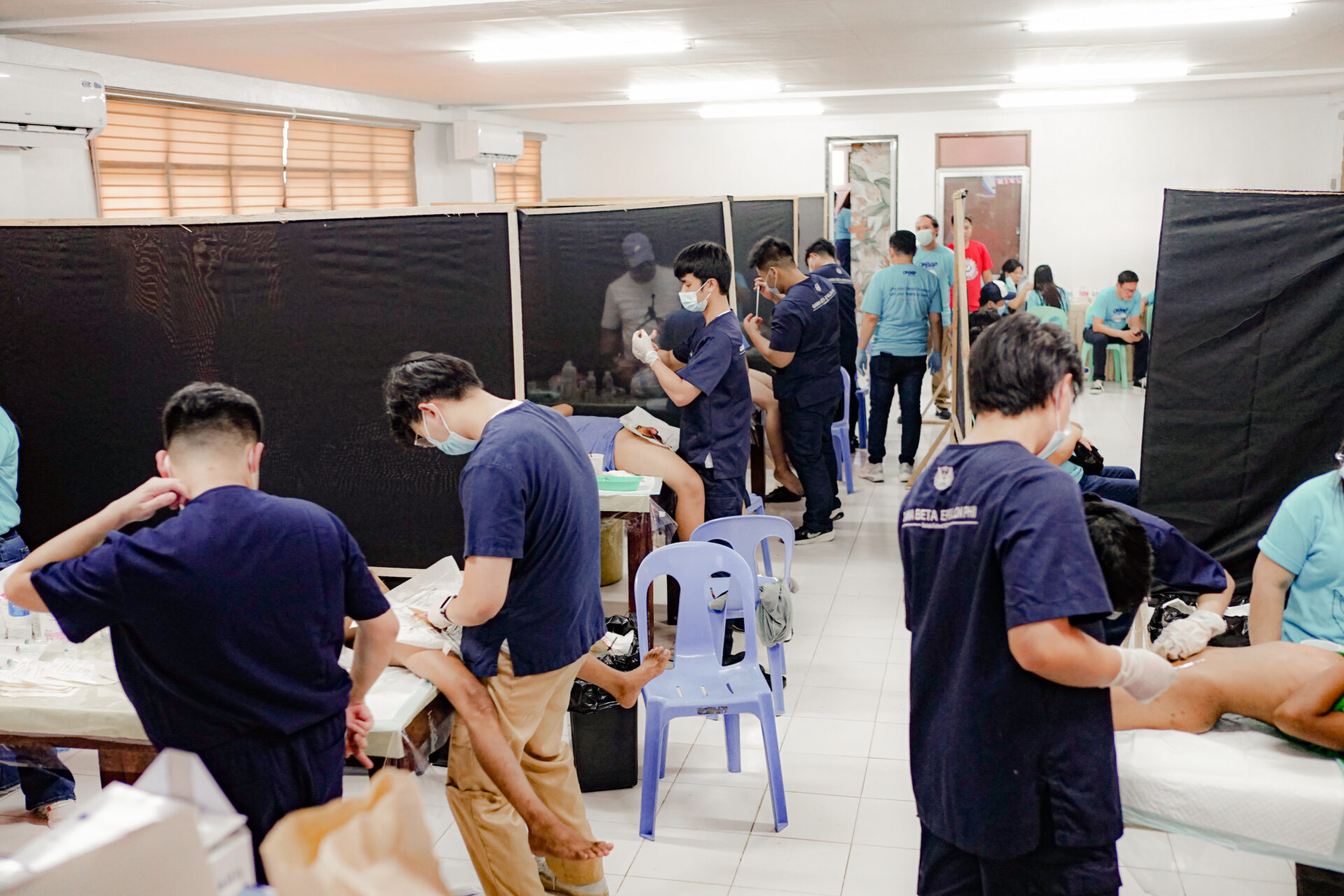
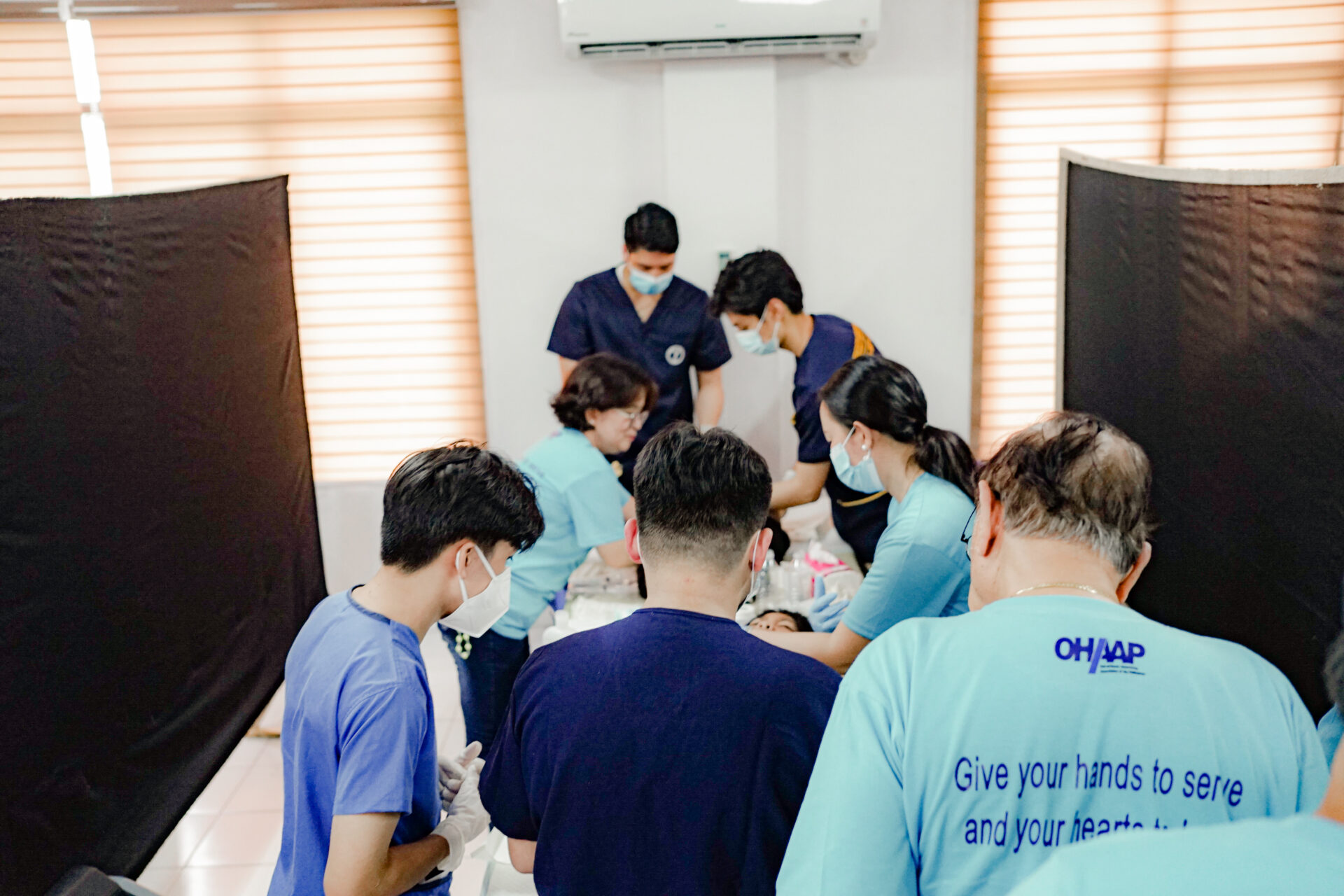
SAN MATIAS, Pampanga — The Out-of-Home Advertising Association of the Philippines (OHAAP) reinforced its commitment to community development through a large-scale medical circumcision mission held on May 1, 2026, in San Matias Elementary School, Santo Tomas, Pampanga, benefiting young boys and families in the community during the peak summer season.
More than just a seasonal outreach activity, OHAAP leaders described the initiative as part of the organization’s long-term corporate social responsibility (CSR) program focused on healthcare access, education, environmental sustainability, and community upliftment.
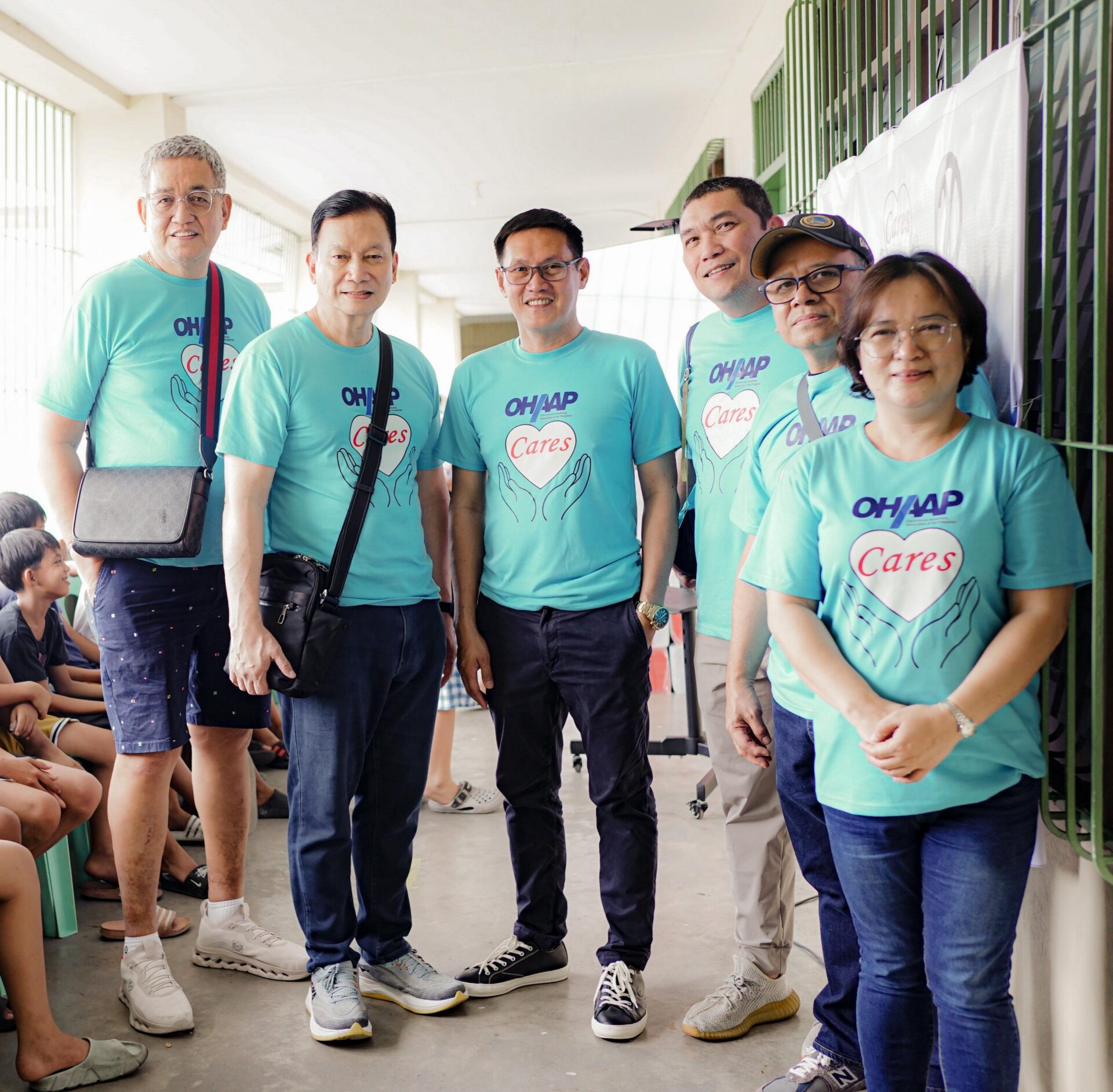
“Our medical missions and other CSR initiatives are not just simple outreach activities; they are a testament to OHAAP’s long-term commitment to uplift the communities we serve,” said OHAAP President Jun Neri. “Through free circumcision, feeding programs, and medical services for the elderly, we provide direct, practical support to our less fortunate brothers and sisters.”
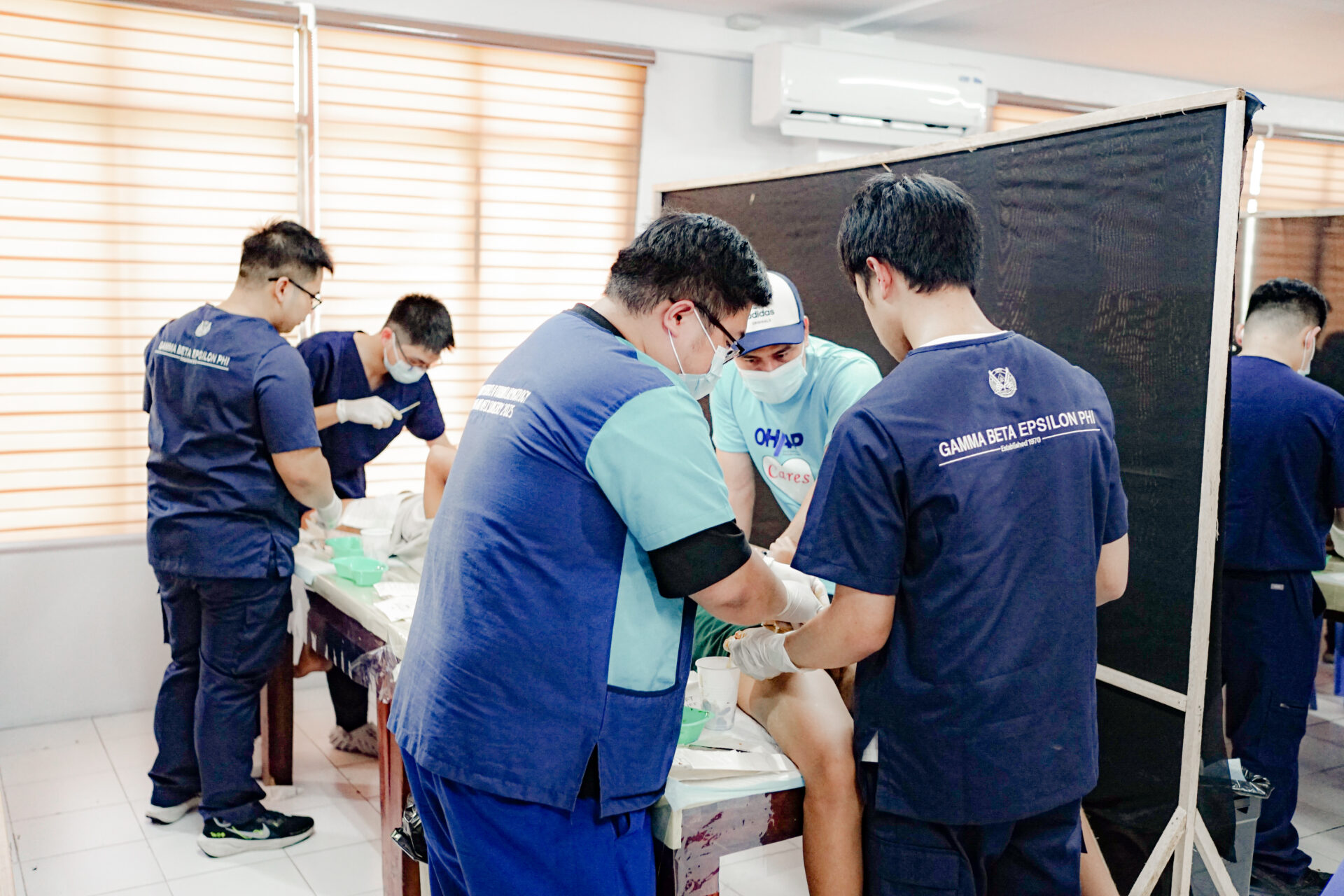
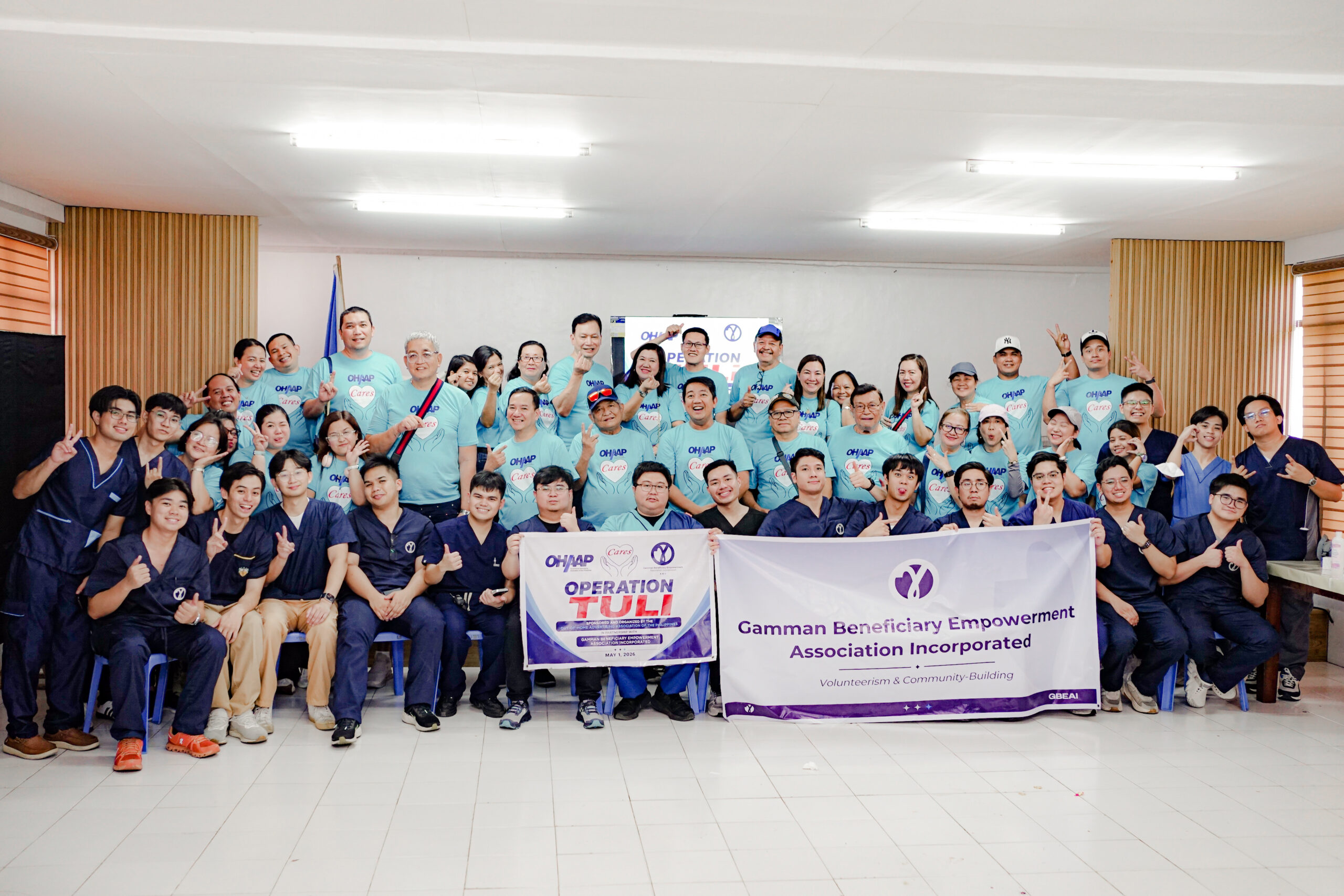
The medical mission was conducted in partnership with doctors, medical students, volunteers, local stakeholders, and nonprofit organizations, highlighting how collaboration between the private sector and civic groups can create meaningful grassroots impact.
CSR Beyond Publicity
For OHAAP, the Pampanga mission reflects a broader philosophy that corporate social responsibility should be sustained, organized, and community centered rather than treated as a one-time publicity effort.
Neri emphasized that the organization’s CSR activities are carefully planned, funded, and continuously implemented through long-term projects such as tree-planting initiatives, scholarship support for students taking four-year college courses, feeding activities, and recurring medical missions.
“These efforts are sustained by ongoing projects like tree planting and scholarships for deserving students, so that our corporate social responsibility leads to real, lasting change,” Neri added.
The association’s CSR initiatives are particularly focused on underserved communities where access to healthcare and educational opportunities remains limited.
Mobilizing Partnerships for Impact
Leading the project organization was OHAAP CSR Chair Jane Canlas Laranjo, who drew from years of experience coordinating community initiatives through alumni and nonprofit networks.
Laranjo leveraged her leadership experience as former president of the UST High School Batch ’81 association, adapting an event structure their organization had successfully implemented since 2017.
The mission brought together volunteers from her high school batch, nonprofit partners, sponsors, telecom companies, and healthcare professionals to provide operational and logistical support. Sponsors and partners also contributed to the food for the medical staff and to the young boys; as well as the supplies and logistics assistance. OHAAP contributed to the purchase of antibiotics, paracetamol and multivitamins for each boy for a whole week’s worth.
According to Laranjo, strong communications and organized planning were critical to the project’s success. The team coordinated schedules, logistics, supplies, and on-site implementation to ensure the mission ran smoothly from setup to medical service delivery.
“Operation Tuli was easy to mobilize. I brought in the experience and the contacts, and things moved quickly. What we brought in were the expertise. It is not easy to look for good doctors, and we were able to do this at no cost. This means a lot to the community,” says Laranjo
Beyond the immediate activity, she said the initiative also serves as a foundation for future OHAAP CSR projects and continuing partnerships.
School Community Expresses Gratitude
The mission was hosted at the San Matias Elementary School, where school officials and parents welcomed the initiative.
Principal Dr. Juanito Rigor described the mission as highly meaningful for the school community and acknowledged the strong support provided by OHAAP officers, doctors from the University of Santo Tomas (UST), and parents.
“This mission carries immense value for our school and for our partners in the advertising community,” Rigor said. “The commitment and backing from OHAAP remind us how important and impactful this mission really is.”
He noted that community-based activities like the medical mission help build confidence and demonstrate the value of partnerships between civic organizations and local institutions.
Young Doctors Find Purpose Through Service
Medical professionals from the Government Beneficiary Empowerment Association, a nonprofit collective of doctors and medical students, also participated in the mission.
For young doctors such as Dr. JC Domingo and Dr. Gerard Magno, the outreach program provided an opportunity to apply medical training while serving communities with limited healthcare access.
Domingo emphasized that many Filipinos continue to avoid medical consultations because of financial challenges, making preventive healthcare missions especially important.
“Especially in the Philippines, we have poor access to healthcare,” Domingo explained. “We want to encourage better health-seeking behavior to minimize complications and prevent diseases from worsening.”
Magno added that the experience reinforced the importance of compassion in medicine.
“One small act of kindness goes a long way for these people,” he said. “As young doctors, this gives us a sense of purpose and fulfilment and reminds us why we do this in the first place.”
Both doctors noted that medical missions allow healthcare workers to develop not only clinical skills but also empathy, communication, and a deeper understanding of the realities faced by underserved communities.
Operation Tuli was able to service 52 young boys into what is culturally deemed as a rite of passage, enabling their families access to reliable medical services that would have cost upwards of P5,000.00 in a government hospital exclusive of post-procedure medicine.
Building Long-Term Community Impact
As OHAAP continues to expand its CSR initiatives, the organization hopes its efforts will encourage more industry groups to pursue sustainable community programs that extend beyond traditional business objectives.
For the association, the Pampanga mission was not simply about delivering medical services for a single day. It was about creating long-term value through consistent engagement, meaningful partnerships, and practical support for Filipino communities.
By combining healthcare outreach, education support, environmental initiatives, and sustained volunteerism, OHAAP aims to demonstrate that corporate organizations can play an active role in nation-building—one community at a time.
Contributing Writer: MS. AYE UBALDO